Attention Tokenised
Attention tokenised - that is often the fundamental use case of meme tokens. Tokenise the current cultural zeitgeist, bet on it going mainstream and hopefully sell to a late adopter when the trend reaches mass adoption. More-so a venture capitalist of culture, attention and “fun” than technology and disruptive innovation. Ironically, crypto itself has an attention problem.
Before November 2022, when ChatGPT was first publicly released into the world, crypto was deemed one of the best emerging markets if you wanted outsized returns, along with outsized volatility for trading. Crypto venture capital (VC) was booming. According to Galaxy Research, across 2021, around 5% of all venture capital investment was in crypto - around $30 billion between ~3,500 deals. 2022 beat this figure with around $32 billion allocated across ~3,700 deals, even as the market started to crash and burn after the Terra implosion.
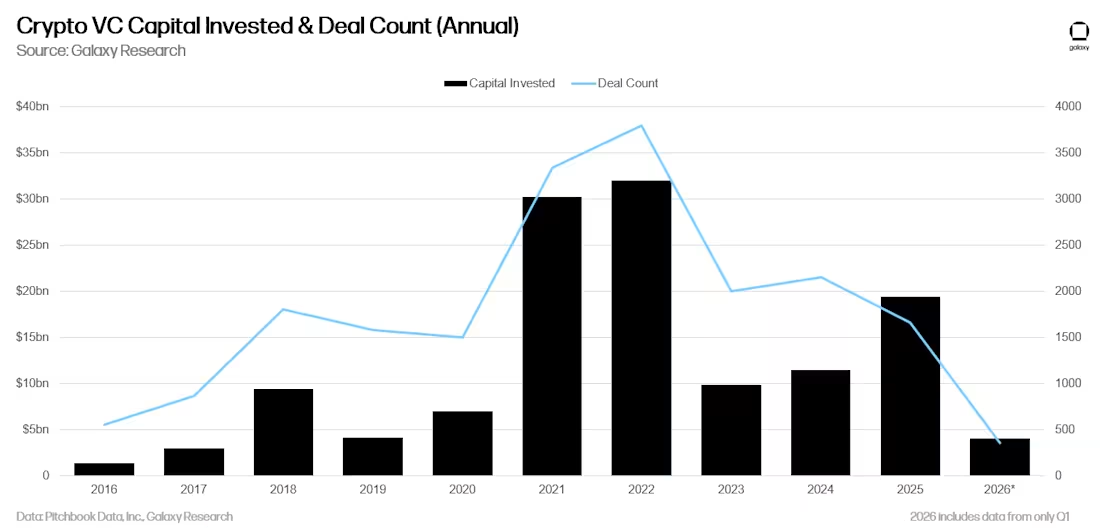
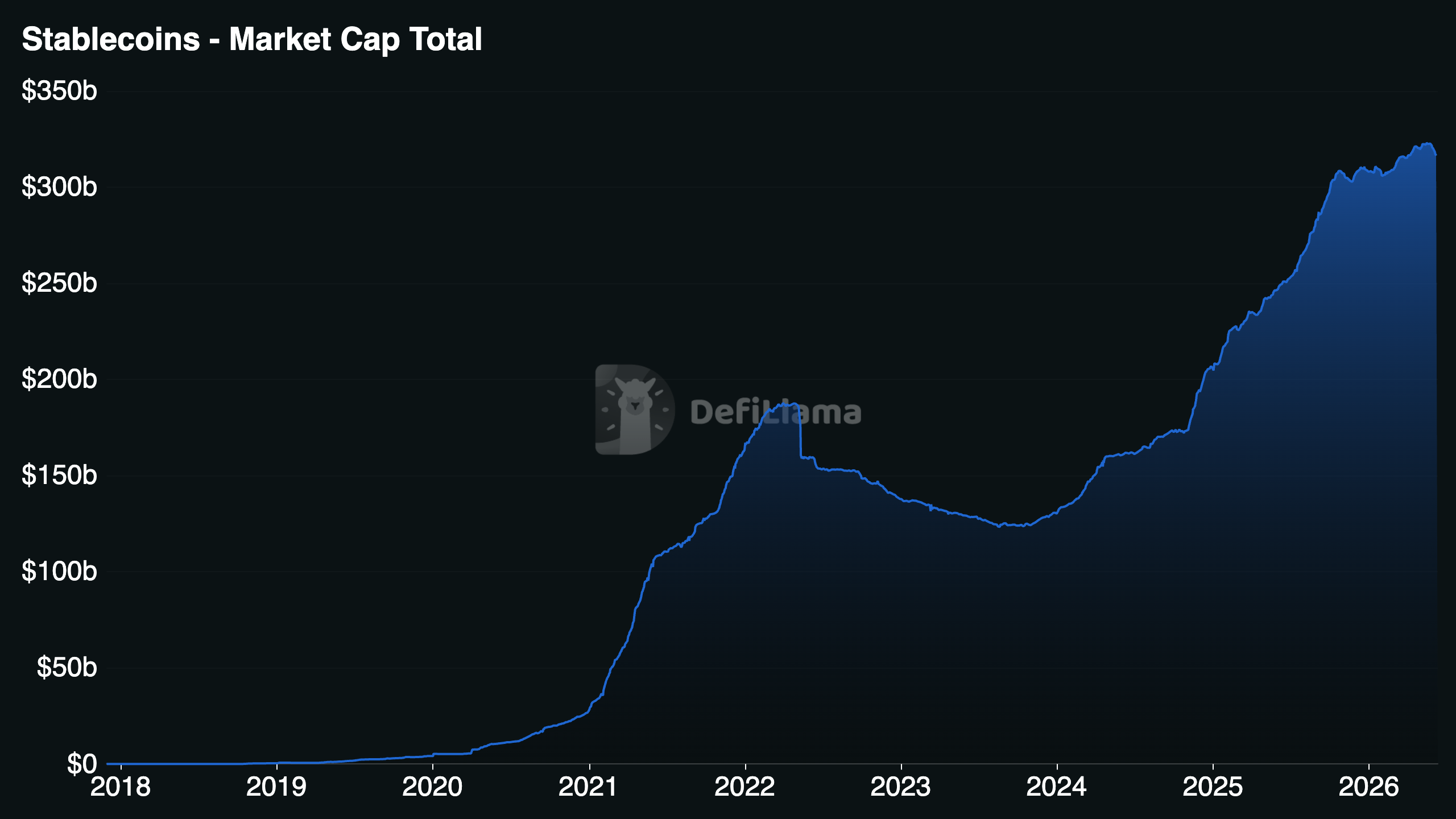
This cycle majorly disappointed from a VC allocation and deals perspective. Even with Bitcoin appreciating over 80% from its previous all-time high to $126,000, stablecoin market cap breaching $320 billion and progress being made on the regulatory front, 2025 only achieved ~$20 billion in allocations and ~1,700 deals.
The Attention Drain
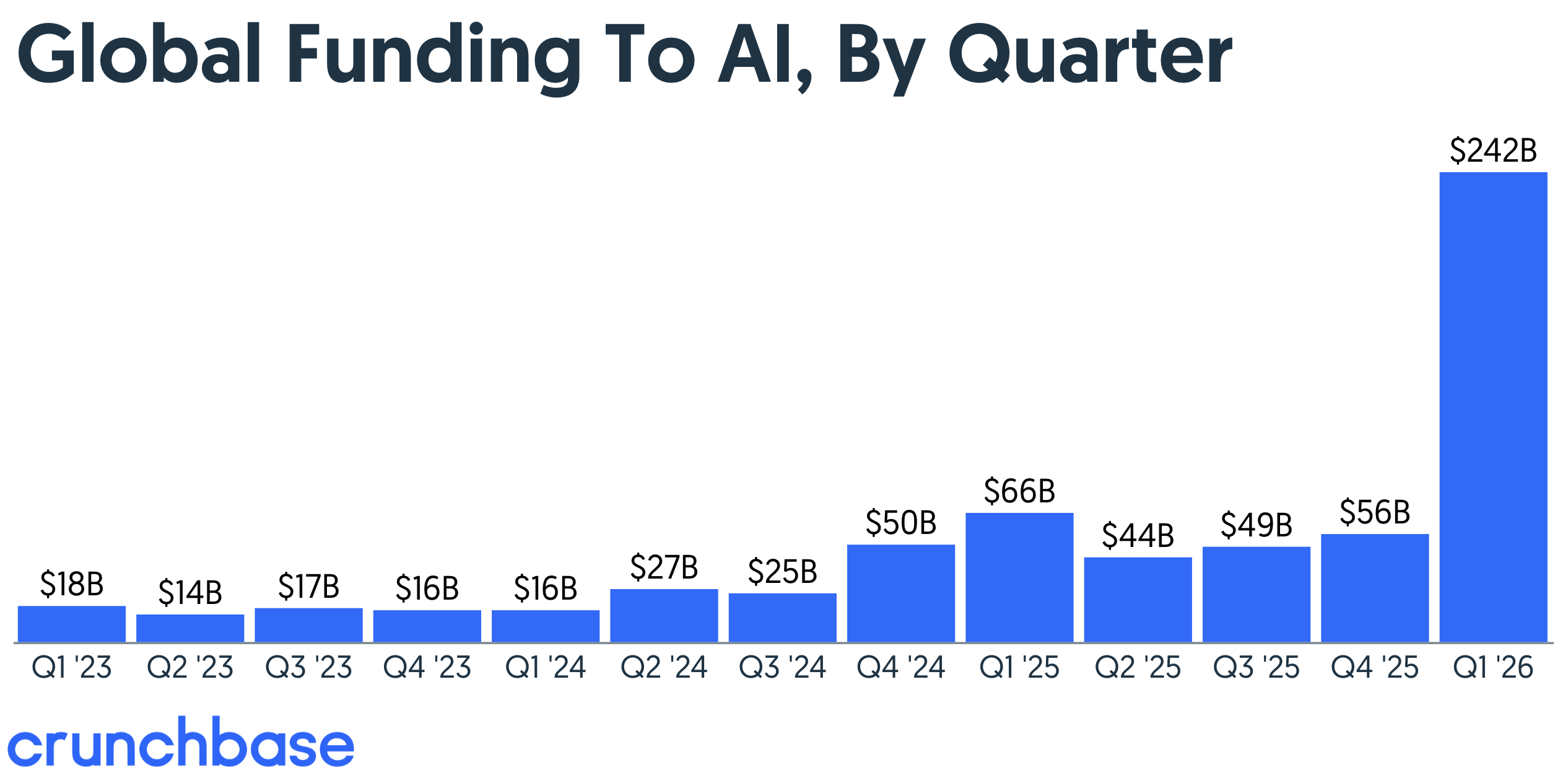
Part of this attention and allocation drain has been due to the AI race. In this dopamine depleted world, everyone wants something new with the perception of unlimited potential, and rightly so, that is where the highest returns are.
According to the OECD in 2025, $259 billion, making up 61% of all global VC capital, was allocated to AI. Are you sitting down? In Q1 of 2026 alone, this figure ballooned to $242 billion, or 80% of all global VC capital, according to Crunchbase.
In our previous article, Nostalgia Tokenised, we described how onchain collectible gacha platforms were capital intensive. Well, AI companies are on another level.
The leading AI firms, such as OpenAI and Anthropic, are not only raising capital to hire engineers and ship software, with AI itself increasingly coding itself. As of May 2026, Anthropic’s AI, Claude, now writes over 80% of the code merged into the company’s internal production codebase. They also need to acquire compute, secure chips, build data centres, lock in energy supply, train frontier models and subsidise usage long before the economics are fully proven.
Tokens are the fuel of AI models. A basic model is like a Toyota Prius - cheap, efficient and good enough for simple tasks. Frontier models are closer to a Porsche 911 GT3 RS. They are faster, more capable and far more powerful, but they burn far more fuel when pushed hard.
That is the problem for OpenAI and Anthropic. As users move from simple basic prompts to coding agents, long-context research and other increasingly taxing tasks, token consumption rises quickly. The user enjoys better performance and more work done. The provider sees higher inference costs, more compute demand and a larger infrastructure bill.
At All Costs
Due to the early stage of the market, OpenAI and Anthropic, have been battling to keep the quality of their models’ outputs high, whilst keeping costs low for users. This has been one of the contributing factors why these companies have been in such high demand of VC dollars.
The VCs have been willing to keep emptying their pockets because the paper returns have been extraordinary. As AI usage and revenue have surged, each new funding round has allowed earlier investors to mark up their positions at higher valuations. Those paper gains then strengthen fund performance, attract more limited partners’ attention and make it easier for the best positioned VC funds to raise fresh capital.
The result is a self-reinforcing loop - higher usage supports higher valuations, higher valuations support larger funding rounds, and larger funding rounds give OpenAI and Anthropic more capital to continue subsidising the cost of intelligence while they fight for market share.
At the end of 2024, OpenAI claimed it was generating $1 billion a quarter, or $4 billion in run-rate revenue. At the end of March 2026, they claimed revenues had soared to $24 billion annualised - an increase of 500% over 15 months.
At the start of 2025, Anthropic claimed $1 billion in run-rate revenue. In May 2026, they claimed ~$47 billion. A ridiculous 4,600% increase in just 16 months. However, there has been contention in how Anthropic calculate their revenues, with OpenAI arguing that Anthropic reports revenue on a gross basis before subtracting payments to partners such as Amazon and Google. Anthropic argues its method is appropriate because it is the principal in the transaction.
The Valuations
The valuations are a similar story. OpenAI was valued at $157 billion in October 2024. By March 2026, it had a $852 billion post-money valuation - an increase of over 440% in less than 18 months.
Anthropic’s valuation has moved even faster. In March 2025, it was valued at around $61.5 billion and by May 2026 it had a $965 billion valuation - a 1,470% increase in 14 months and overtaking OpenAI’s latest private-market mark.
With these paper markups, it makes complete sense why venture capital has shied away from crypto. However, with both OpenAI and Anthropic recently filing for IPOs, VC attention may be slightly diverted back to other ventures as they look to financemaxx the next trend, whether that is robotics, crypto or space. But, today, all eyes are on another IPO and this one is the largest ever.
Lift Off
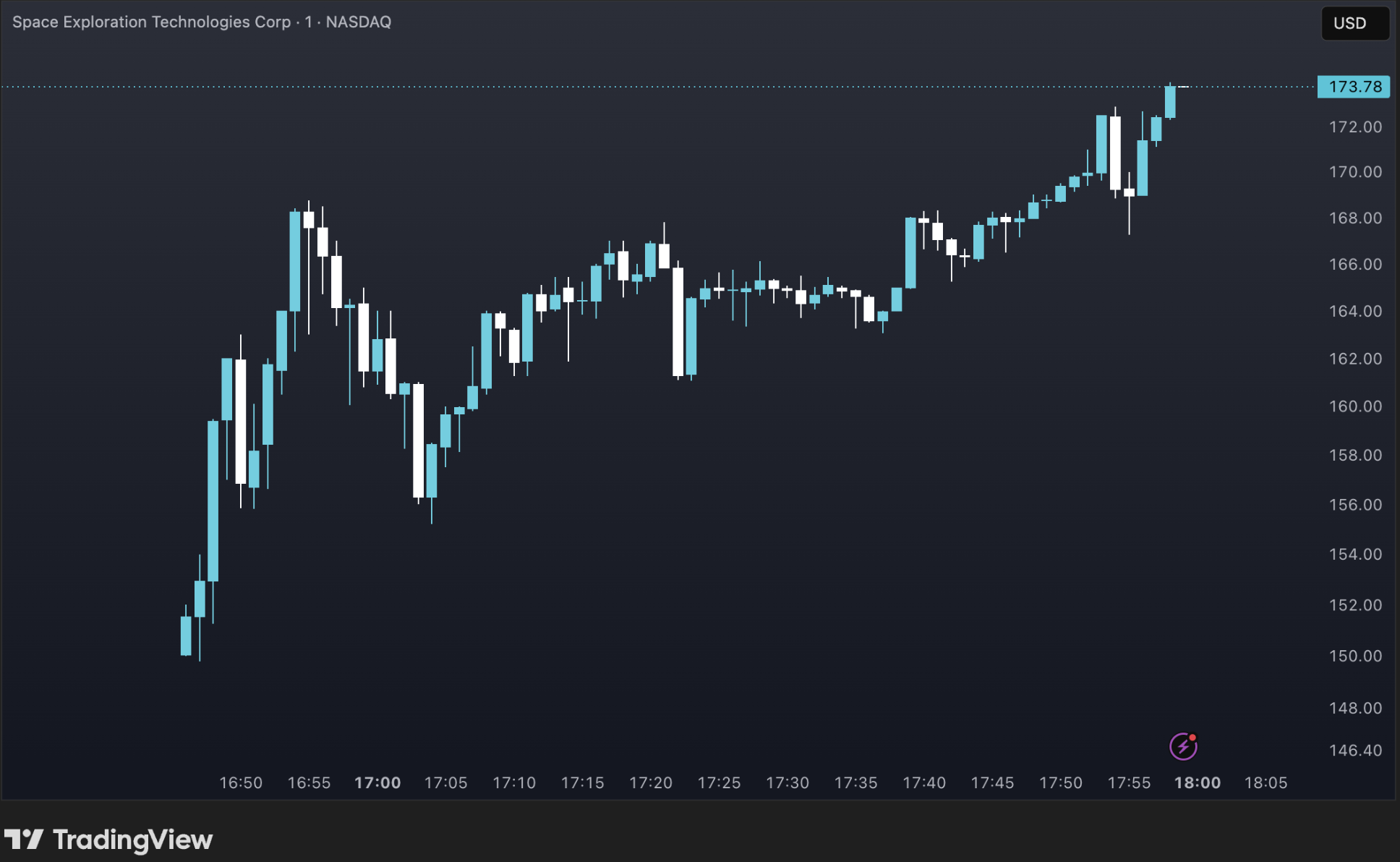
SpaceX launched its IPO on the Nasdaq today at $135 per share and started trading at $150 - rising to over $170 in just over an hour.
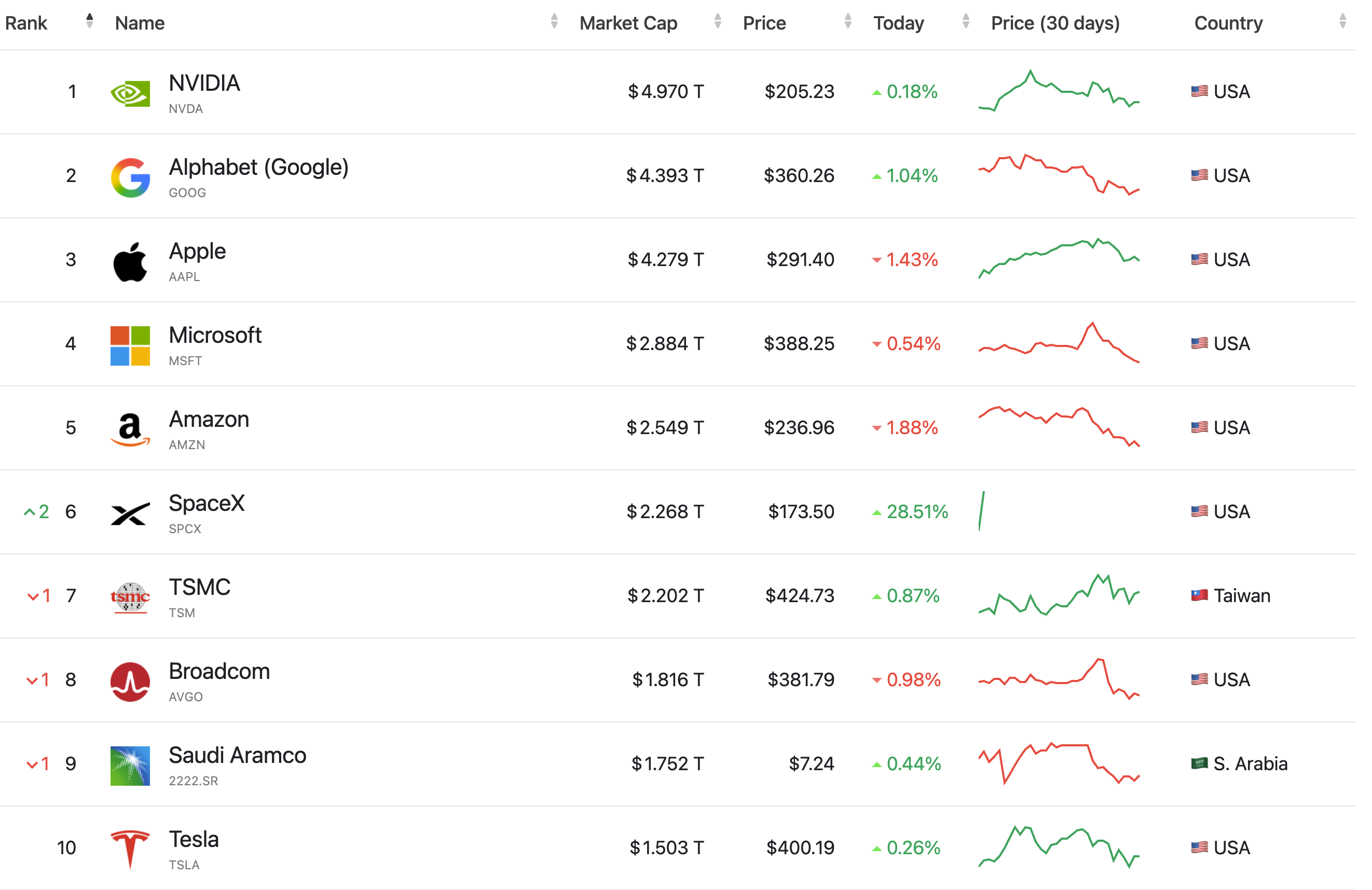
That makes it the largest IPO in history and places SpaceX as the 6th most valuable company in the world, worth ~$2.3 trillion.
The IPO is also unusually retail-heavy. SpaceX reportedly earmarked as much as 30% of the offering for individual investors, equal to around $22.5 billion of the $75 billion raise. For a blockbuster IPO, that is rare. Large listings are normally dominated by institutional allocations, with retail investors receiving a much smaller share - around 5-10%.
However, as a crypto-native, it is hard to ignore this setup feeling familiar.
In crypto, we are used to highly valued projects launching tokens after months of attentionmaxxing. The charts often look the same - a sharp rise followed by a slow bleed down to find “fair value”, often well below the price it started trading publicly.
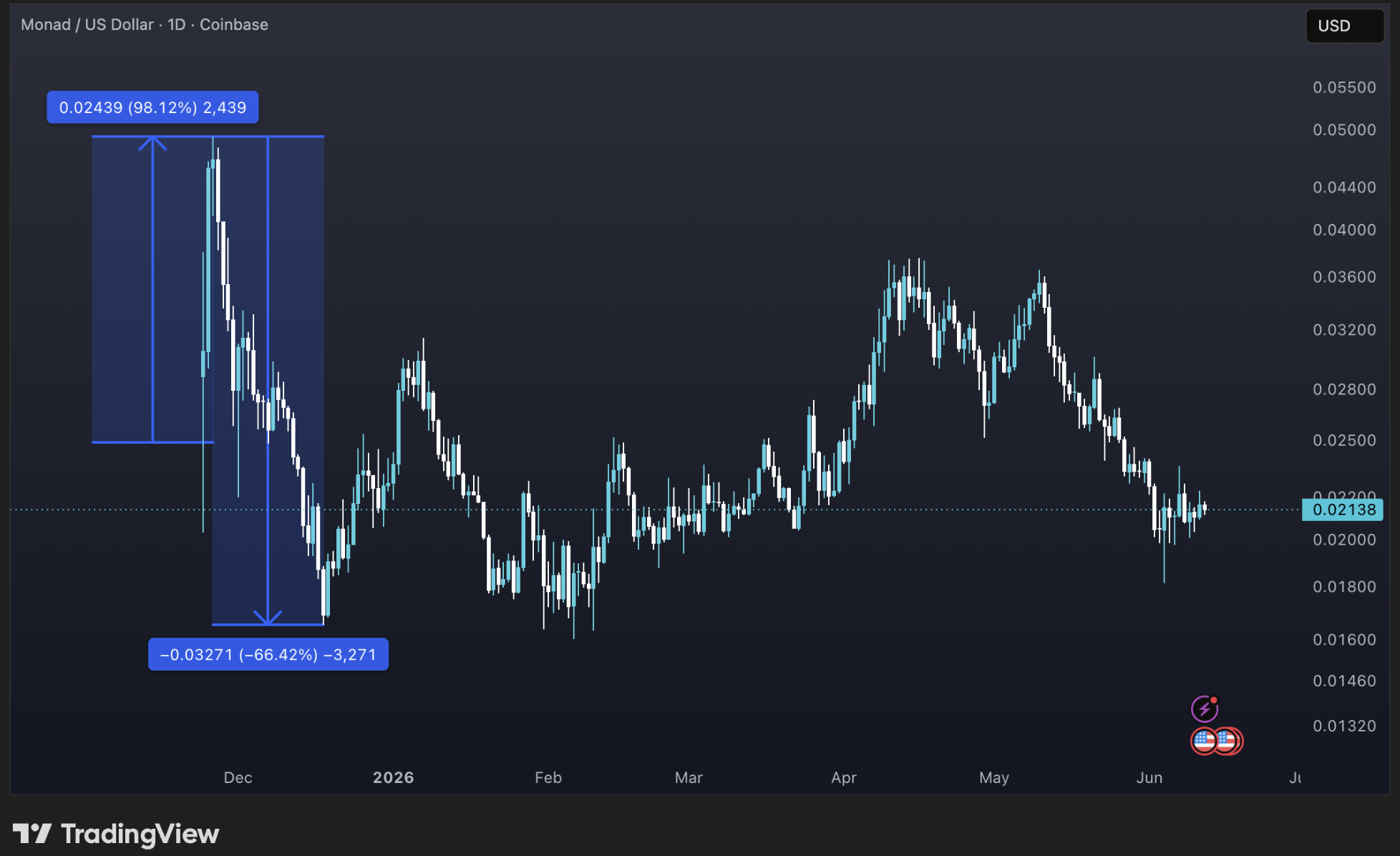
A token launches at a large fully diluted valuation, early investors and insiders begin distributing vested allocations, and if perpetual futures are available, they can short or hedge their remaining exposure. Monad’s chart features in this example and is not the most egregious of cases, even whilst launching at the beginning of this cycle’s bear market. They also had a public offering on Coinbase at $0.025 of 7.5% of the supply, or $187.5 million, in which anyone could participate, with tokens fully vested at launch.
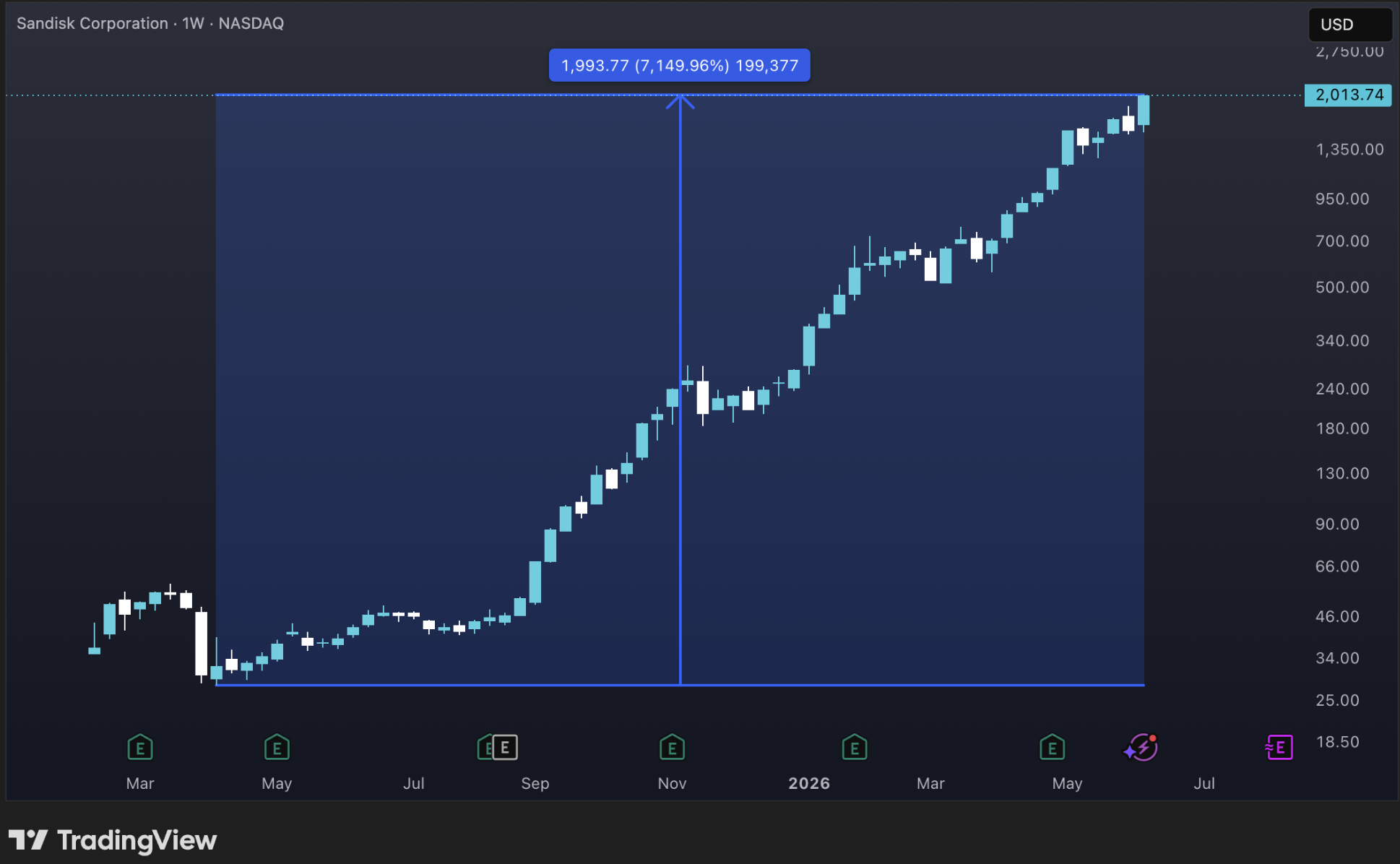
This phenomenon of token supply being absorbed into the market has had an overall dampening effect on the market over this cycle. VCs and teams having large swathes of supply then selling to retail, with some sellers rotating their gains out of crypto entirely into AI investments. The retail that bought suffers significant losses due to lack of demand absorbing the increasing supply and watches a once hopeful project slowly bleed out. Meanwhile, the holders watch Sandisk, an AI-related equity, pull a 72x in 14 months and finally capitulate, swearing to never touch crypto again.
But, the direct comparison between a crypto token launch and the IPO of one of the largest and most disruptive businesses in the world is not fair or accurate.
Many crypto token launches are still early-stage projects with limited revenue, uncertain product-market fit and valuations built mainly on future potential - this is part of crypto’s appeal. Companies and protocols can tap global capital markets earlier and more efficiently than traditional finance. It gives retail investors access to opportunities that, in traditional markets, would normally remain locked inside private venture rounds, albeit taking increased risk.
However, in crypto, and markets more broadly, buying peak attention and euphoria is rarely a good long-term strategy.
Ring the Bell
This post-launch pattern is not unique to crypto.
Professor Jay Ritter’s IPO database also shows that IPOs have historically delivered strong first-day returns, but weaker long-run performance for investors who buy after the initial launch day euphoria. The Wall Street Journal recently cited Ritter’s work showing that buying IPO shares at the end of the first trading day and holding them for three years has historically underperformed a value-weighted market index by around 21%.
Recent mega-IPO data also supports this caution. Barron’s noted that IPOs in 2026 have averaged a 15.2% first-day gain, but larger IPOs valued above $10 billion have tended to peak in the first week and deliver only around 3.5% average returns after one year.
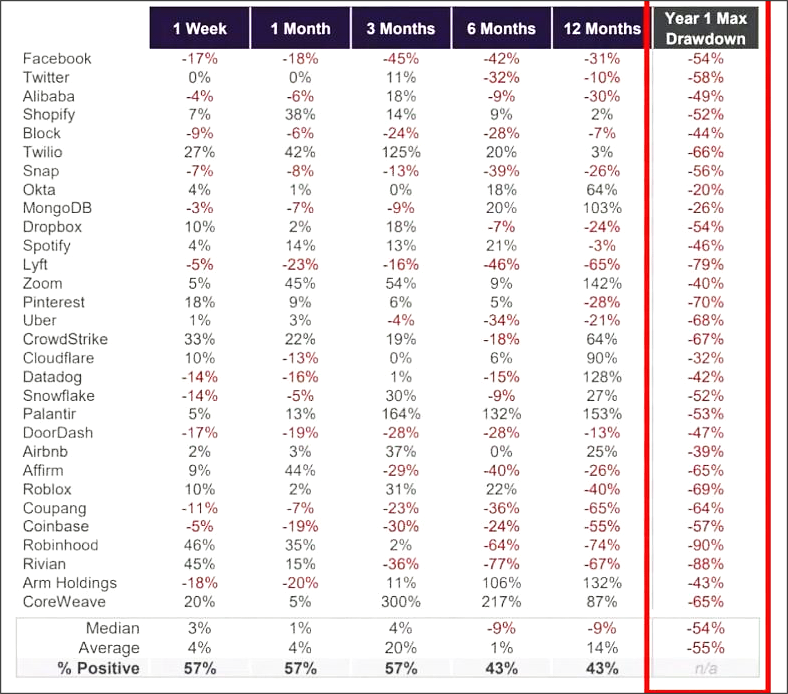
Spectra Markets also analysed the largest tech IPOs over the past two decades. They found that within one year, the average drawdown was 55%. The percentage change is from the closing price on the day of IPO, not the IPO price. This suggests that buying into the highs of an IPO day is not the best idea if the holding is not being actively traded.
Special Measures
SpaceX has launched with an extremely low float, with only around 4.2% of shares available to trade. Normally, companies IPO with around 15-25% float; SpaceX’s is unusually limited. This part resembles crypto. Low float means lower liquidity at launch, making price more sensitive to marginal demand. However, when the float increases, so will selling pressure, potentially causing a slow bleed if demand is not strong enough to absorb the new supply.
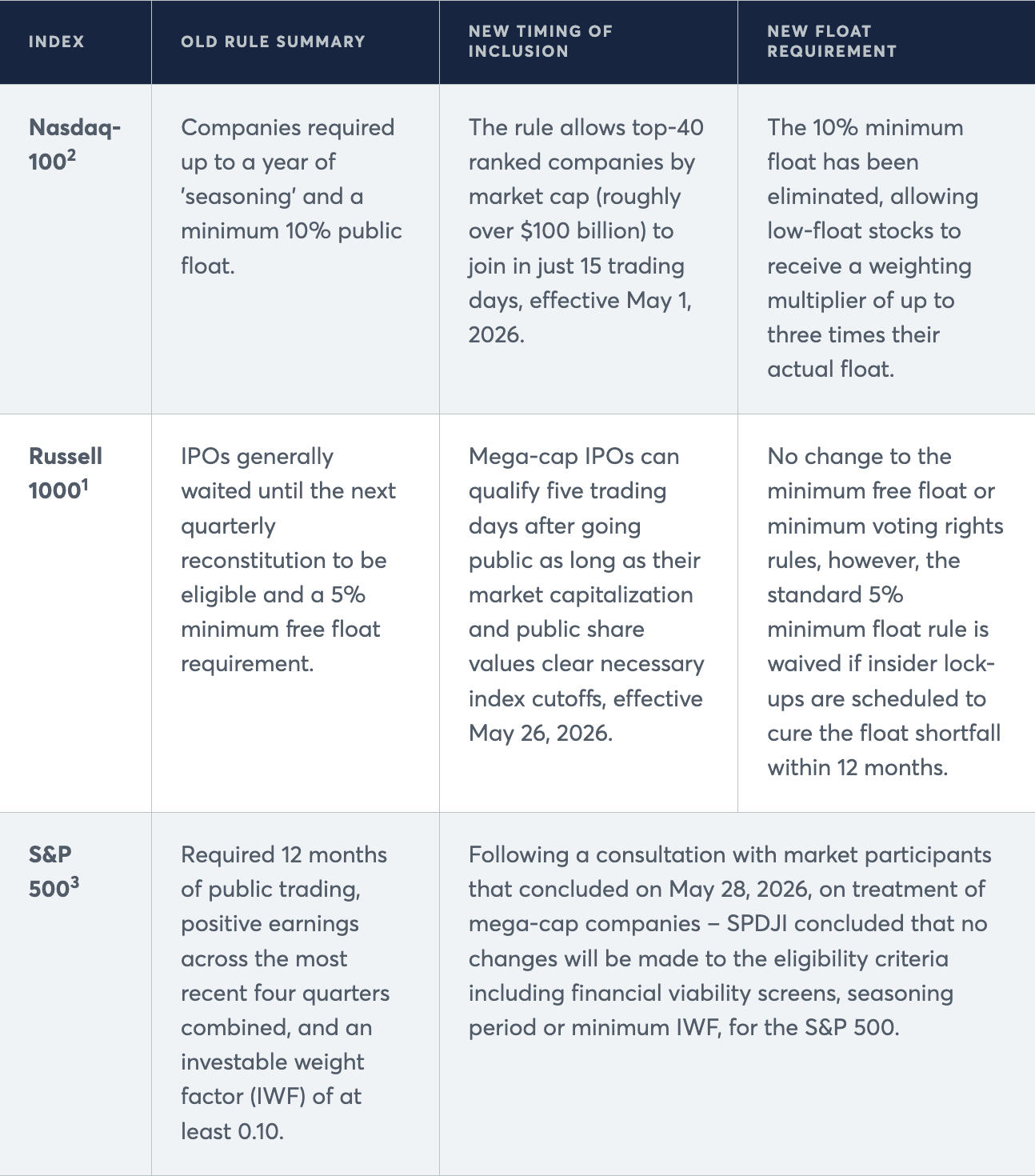
Interestingly, Nasdaq changed its rules in March to allow mega-cap IPOs to enter the Nasdaq-100 as soon as 15 trading days after listing, reduced from up to a year. FTSE Russell with their Russell 1000 index, also changed their inclusion requirements for large IPOs. Barron’s estimated that Nasdaq-100 inclusion could create as much as $7 billion to $10 billion of passive buying flows into SpaceX.
S&P Dow Jones were also considering changing their rules for SpaceX early inclusion in their S&P 500 index, but decided against it, citing SpaceX’s lack of profitability, minimal float and the index’s seasoning requirements.
Brokerages such as Fidelity, Robinhood, SoFi and E*Trade are discouraging IPO investors from “flipping” their allocation within the first 15 to 30 days. Fidelity says selling within 15 days may restrict future IPO access, while Robinhood, E*Trade and SoFi can penalise users who sell IPO allocations too quickly, also by the same method.
The timing is notable. Nasdaq eligibility can begin after 15 trading days and Russell 1000 inclusion can be as early as 5 trading days, while the retail anti-flipping windows also run across the first 15 to 30 days. This has created a launch setup where freely tradable supply is limited, some IPO buyers are incentivised to hold, and passive funds may soon become forced buyers.
Just Another Tech IPO?
In 2025, SpaceX generated $18.7 billion in revenue, captured 51% of global orbital launches and 85% of satellites launched. Starlink is now the core revenue driver, contributing around 60% of revenue, with more than 10 million users and roughly 9,600 satellites in orbit.
It also sits directly inside several of the market’s strongest narratives - space, defence, satellites, AI infrastructure, communications, autonomy and maybe most importantly, American industrial policy.
This last point is maybe what separates it from a traditional tech IPO - it is now a major component of the U.S. national security stack. In May, the U.S. Space Force awarded SpaceX a $2.29 billion contract to build a military space data network, followed days later by a $4.16 billion contract for threat-detection satellites.
The U.S. government has a clear incentive to ensure that domestic space infrastructure remains globally dominant, especially as China, Russia and Europe push their own space and satellite ambitions. The current U.S. administration has also taken a more direct role in strategic industries, including equity-style interventions in areas such as semiconductors, rare earths and lithium, such as their 9.9% stake in Intel and 15% in MP Materials.
A potential U.S. government equity stake in SpaceX would further deepen the symbiotic relationship. The same logic may eventually apply to frontier AI companies. The race towards artificial general intelligence could become one of the most important strategic competitions since the atomic age, giving the U.S. a clear incentive to ensure its leading AI labs remain funded, competitive and domestically controlled. Government controls are already appearing, on Friday the U.S. has reportedly limited foreign access to Anthropic’s recently released most advanced models, Fable 5 and Mythos 5, citing national security concerns.
But, having just raised $75 billion, beating the previous largest IPO raise of Saudi Aramco’s ~$30 billion in 2019, SpaceX will likely be able to fund any aggressive expansions, based on extrapolated 2025 cost figures, for at least another two years. So, any capital would be more of a token gesture, if done in the short term.
The Other Side of the Black Hole
Now SpaceX IPO is trading, and the IPOs of OpenAI and Anthropic are soon to be listed, investors will possibly begin asking a different question - where is the next mispriced opportunity?
This is where the argument becomes more interesting for crypto, especially if the 4-year cycle trend continues and the bear market low forms some point around Q4.
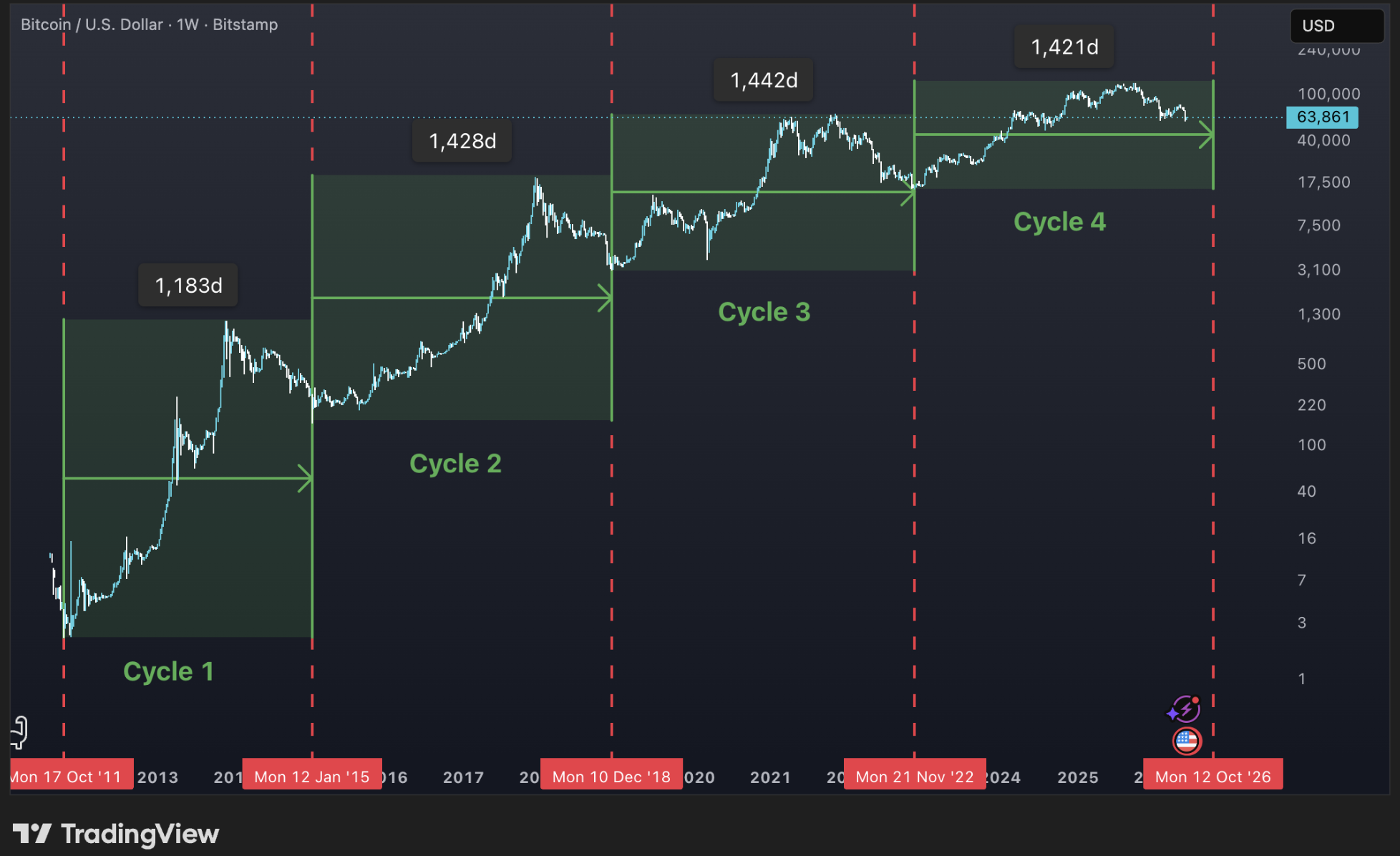
The irony is that crypto tends to become most interesting when attention is lowest. The best periods to accumulate high-quality crypto assets have rarely been when everyone is excited. They usually come when the narrative feels broken, capital has left, speculative tourists have moved on and some of the committed holders finally capitulate. This is when it becomes easier to identify who the winners are and who will likely keep winning in the next bull market when the capital, tourists and new narratives return.
Bitcoin is down by 50% from all-time highs, quantum hacking fears increasing, crypto VC activity diminished, retail attention has vanished, ETF outflows increasing and the incorrect perception that Strategy’s 4% Bitcoin position will be liquidated. Meanwhile, capital has been distracted by AI and the largest IPO wave in history. The current sentiment is not great.
But, even in the bear market certain parts of crypto are succeeding. Stablecoin market cap and overall transaction volumes continue reaching all-time highs. Crypto-native prediction markets, such as Polymarket, have reached the mainstream by turning elections, economic events, cultural moments and sports into liquid, tradable probabilities. Hyperliquid has been at the forefront of perpetual futures innovation, with major TradFi venues taking notes, with revenues continuing to keep rising. The onchain collectibles sector is growing rapidly and is a real consumer use case for NFTs and the real-world assets sector.
The AI black hole has pulled attention from crypto, but has allowed the projects with the brightest lights to be noticed even more. The question is whether crypto is still disappearing into the black hole, or quietly emerging on the other side.
Disclosure: This article is for informational and educational purposes only and does not constitute financial, investment, legal or tax advice. actionem alpha may hold positions in assets discussed. Readers should conduct their own research and consider their personal financial circumstances before making investment decisions. Crypto assets are highly volatile and readers may lose all their capital.
Referral Disclosure: This article contains referral links. If readers use these links, actionem alpha may receive referral rewards, subject to the relevant platform’s terms. Referral relationships are disclosed for transparency and should not be treated as financial advice, an endorsement that any platform is suitable for a particular reader, or a recommendation to trade or invest. Crypto assets and derivatives can be high risk and may not be suitable for all readers.
Referral Links
For readers who choose to explore the platforms discussed, the referral links below may help support actionem alpha.
Hyperliquid
Referral link: https://app.hyperliquid.xyz/join/ACTIONEMALPHA